I've benchmarked 31 image generation models from 8 providers to compare cost and latency using the same prompt:
A photorealistic image of a golden retriever puppy sitting in a sunflower field at golden hour, with a soft bokeh background and warm light. Aspect ratio: 1:1, size: 1024x1024.
The benchmark includes both image-only and image-capable multimodal models available on Vercel AI Gateway.
Key findings (November 6, 2026): GPT Image 2 had the lowest recorded cost at $0.00615 per image, and Flux Pro 1.1 was the fastest at 3.8 seconds. These results come from one prompt with model-specific settings, so they don't establish the best model for every task.
If you don't have much time to analyze the full report:
- go straight to the winners
- compare images
- check out the cost chart
- or the latency chart
Full Results
November 6, 2026: added Flux 3, Flux 3 Klein, Nano Banana 2.1, MAI-Image-2.6, MAI-Image-2.6 Flash, GPT Image 2.6 Flare, and Recraft V4.1 Flash; removed GPT Image 1 after it disappeared from the live AI Gateway catalog and Flux Schnell after Prodia retired it; and dropped seven models superseded by cheaper and faster versions (GPT Image 1.5, GPT Image 1 Mini, Recraft V3, Recraft V4, Recraft V4 Pro, Flux Kontext Max, and Nano Banana Classic). All results, thumbnails, and charts were regenerated. Full changelog
(click on a thumbnail to see the full image)
| Model | Price | Latency | Image |
|---|---|---|---|
google/gemini-3.1-flash-image |
$0.067024 | 10.6s |  |
google/gemini-nano-banana-2.1 |
$0.040332 | 22.0s | 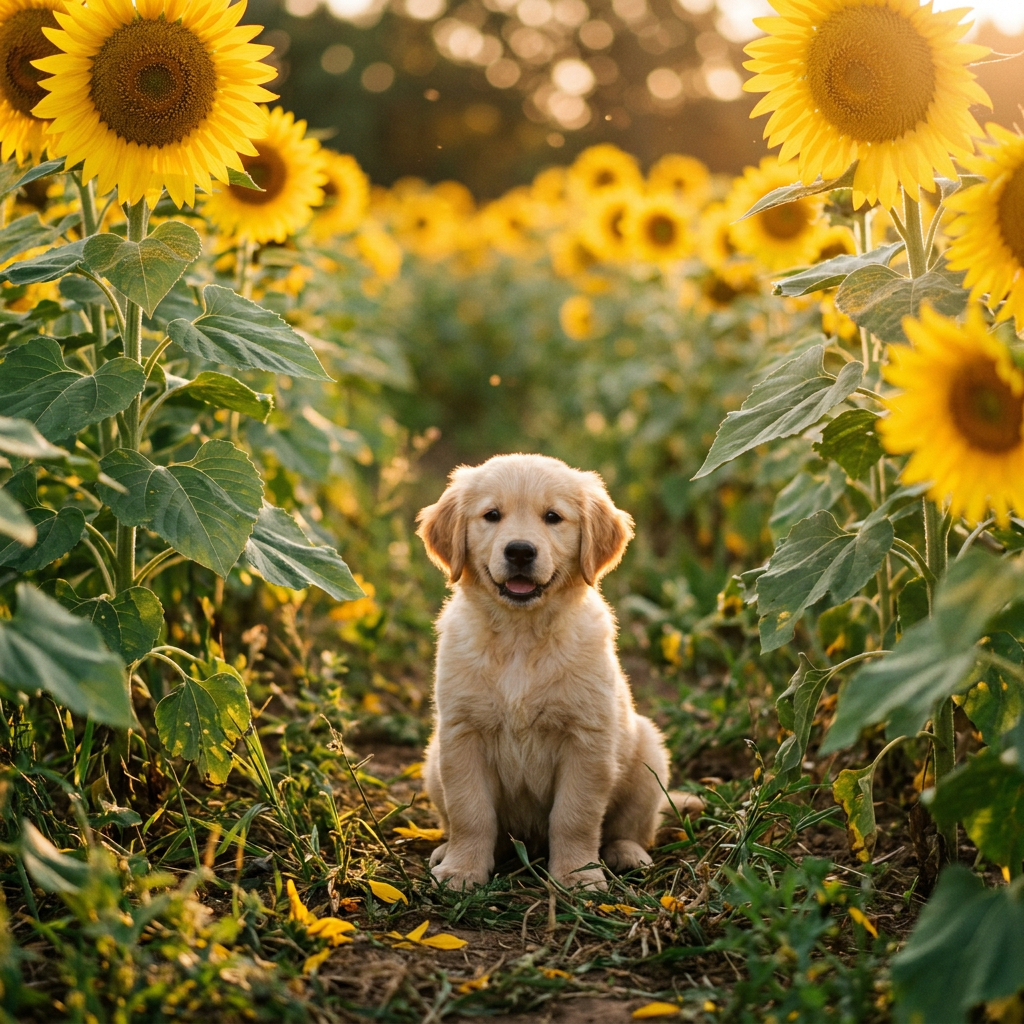 |
google/gemini-3.1-flash-lite-image |
$0.034012 | 12.8s |  |
google/gemini-3-pro-image |
$0.13746 | 31.9s |  |
bfl/flux-2-flex |
$0.05 | 12.3s |  |
bfl/flux-2-klein-4b |
$0.014 | 4.8s |  |
bfl/flux-2-klein-9b |
$0.015 | 5.3s |  |
bfl/flux-2-pro |
$0.03 | 10.4s |  |
bfl/flux-2-max |
$0.07 | 19.7s |  |
bfl/flux-3-image |
$0.048 | 28.8s | 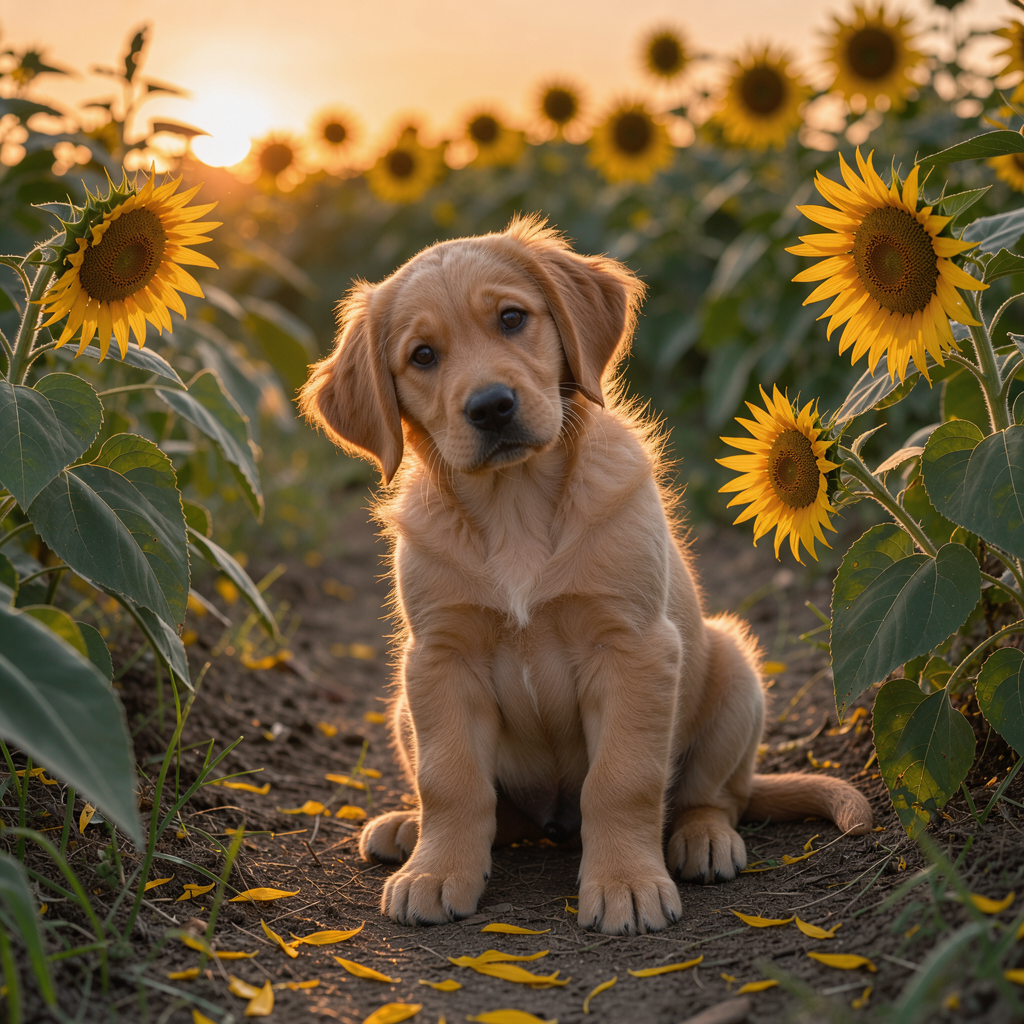 |
bfl/flux-3-image-klein |
$0.009 | 7.0s | 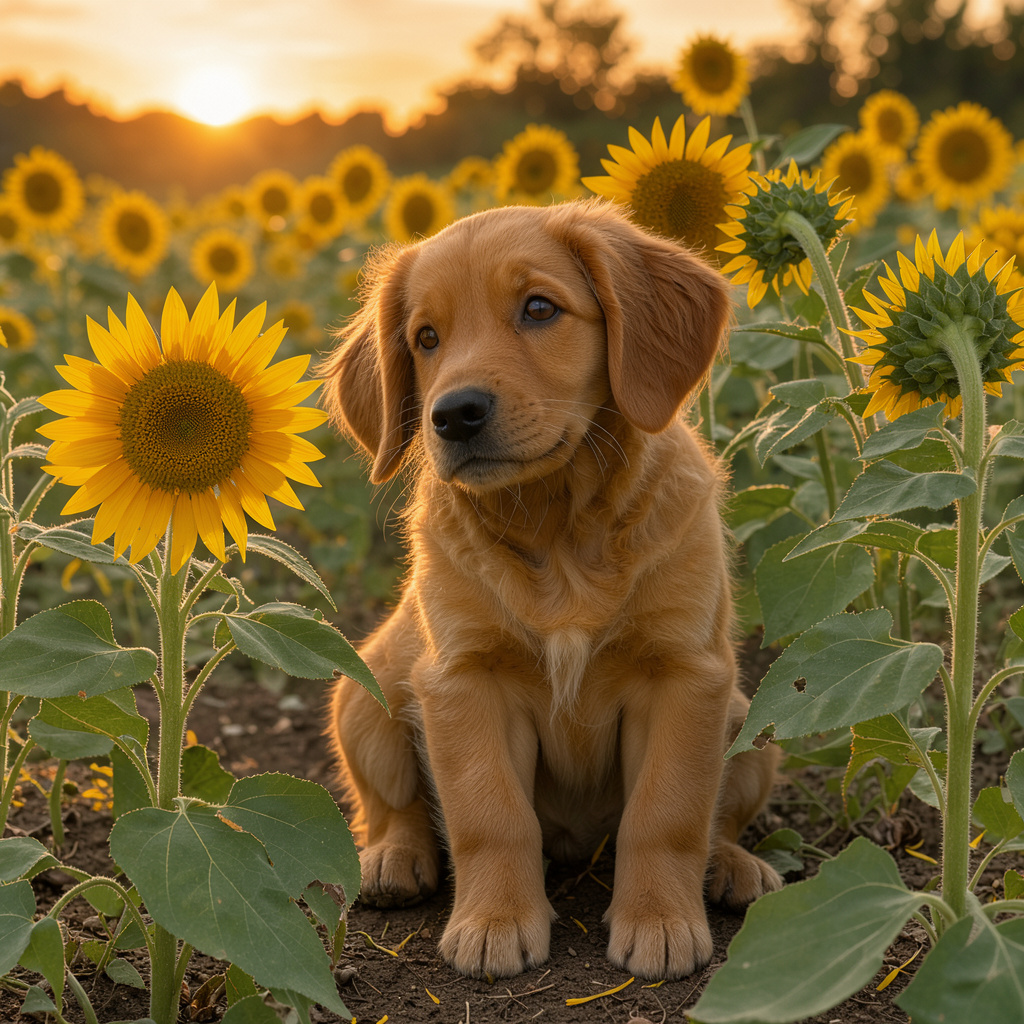 |
bfl/flux-pro-1.1 |
$0.04 | 3.8s |  |
bfl/flux-pro-1.1-ultra |
$0.06 | 7.4s |  |
bfl/flux-kontext-pro |
$0.04 | 6.0s |  |
recraft/recraft-v2 |
$0.022 | 6.6s |  |
recraft/recraft-v4.1 |
$0.035 | 7.6s |  |
recraft/recraft-v4.1-flash |
$0.007 | 6.0s | 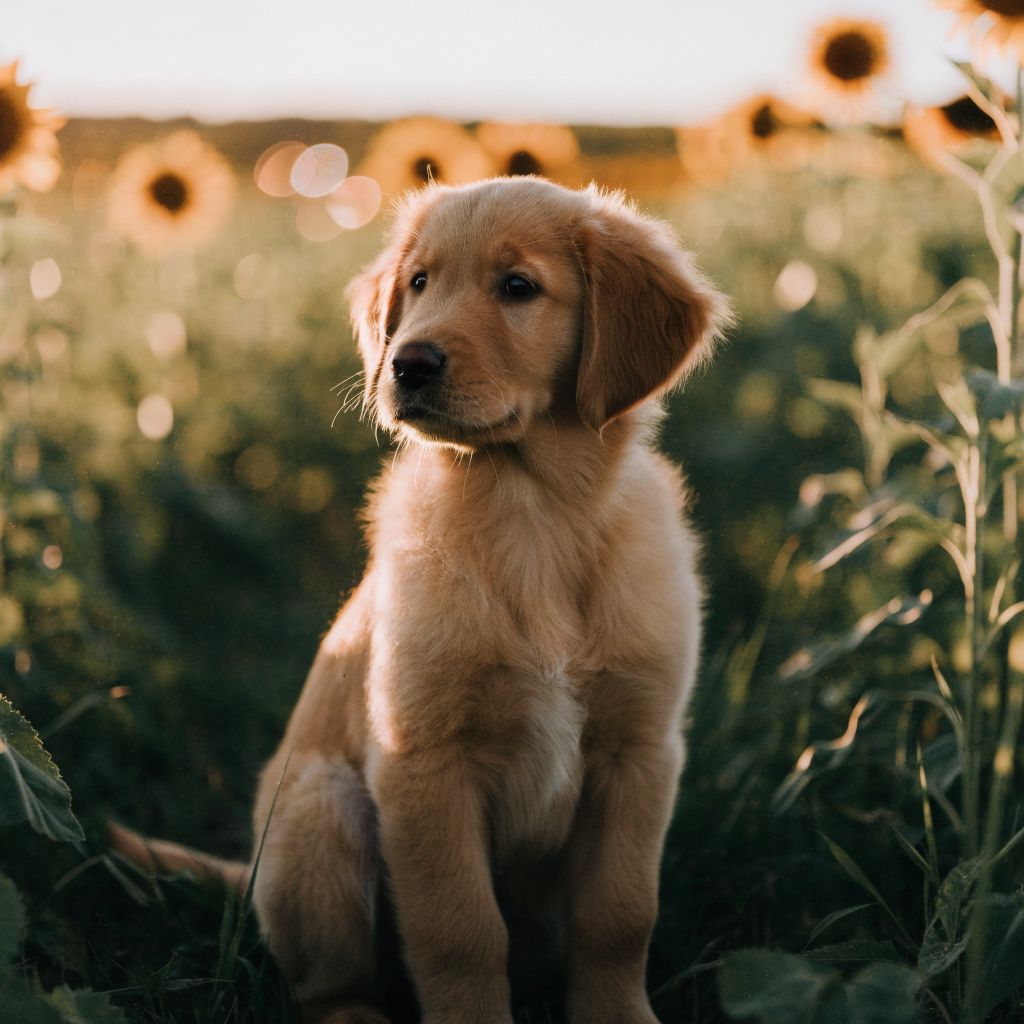 |
recraft/recraft-v4.1-pro |
$0.21 | 19.6s |  (2048x2048) |
recraft/recraft-v4.1-utility |
$0.035 | 10.6s |  |
recraft/recraft-v4.1-utility-pro |
$0.21 | 23.1s |  (2048x2048) |
openai/gpt-image-2 |
$0.00615 | 13.2s |  |
openai/gpt-image-2.6-flare |
$0.02499 | 10.9s | 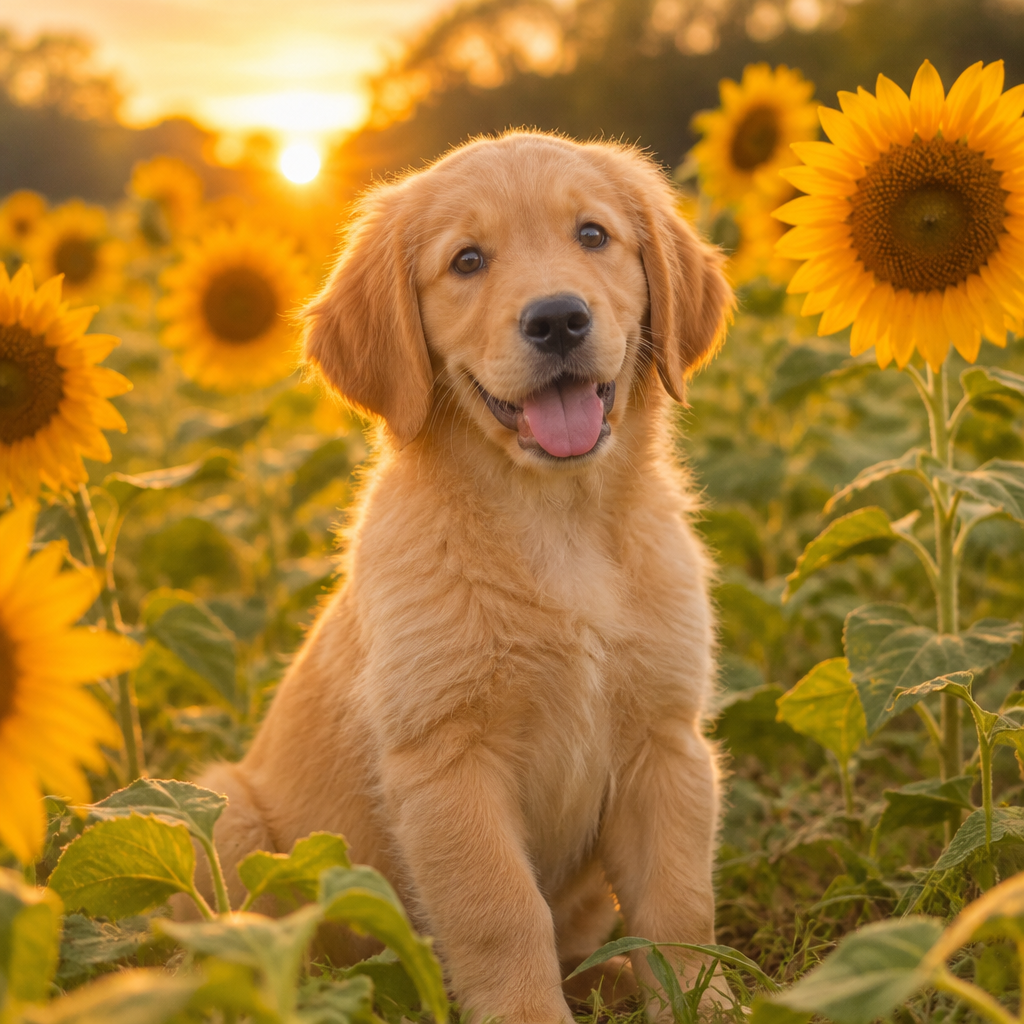 |
meta/muse-image-1.0 |
$0.01 | 14.5s | 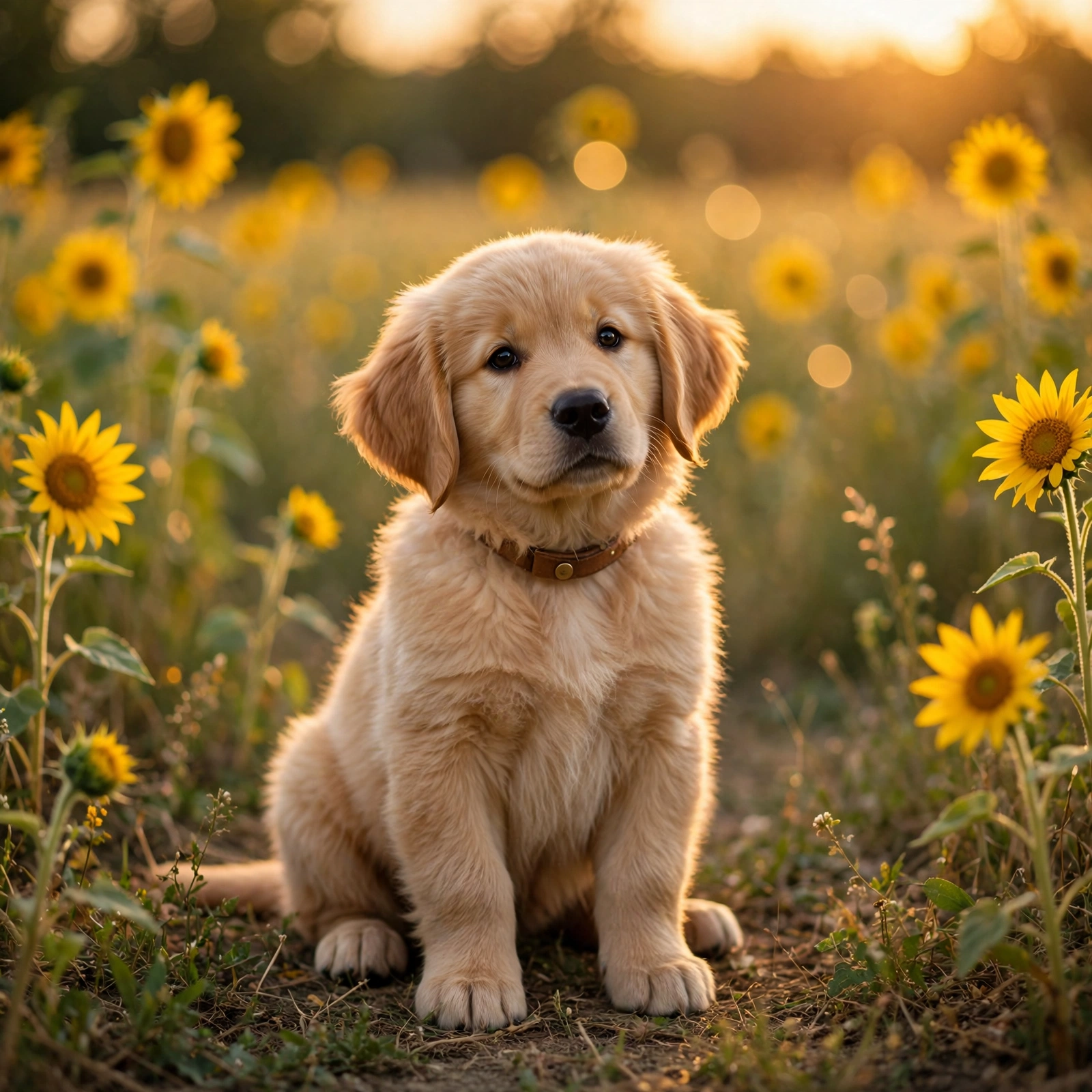 |
microsoft/mai-image-2.6 |
$0.039147 | 27.0s | 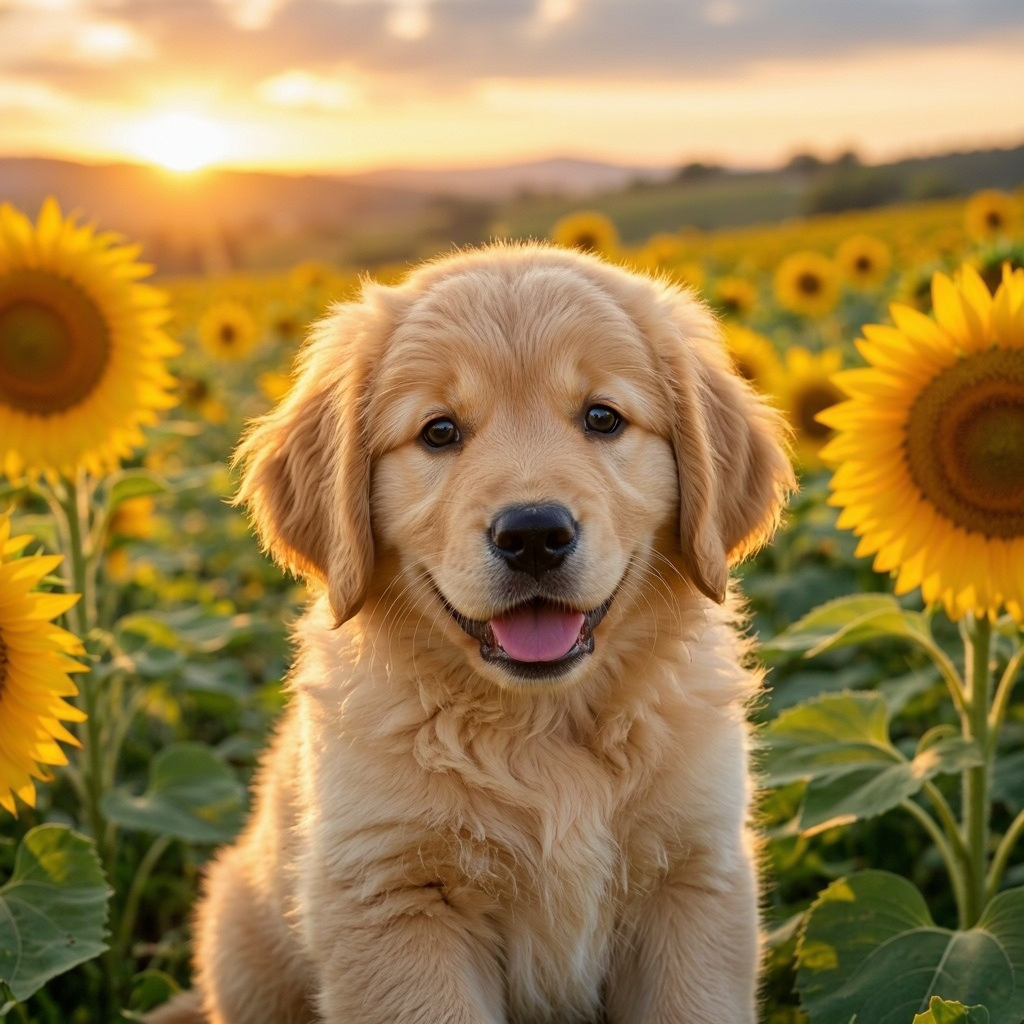 |
microsoft/mai-image-2.6-flash |
$0.01953825 | 13.4s | 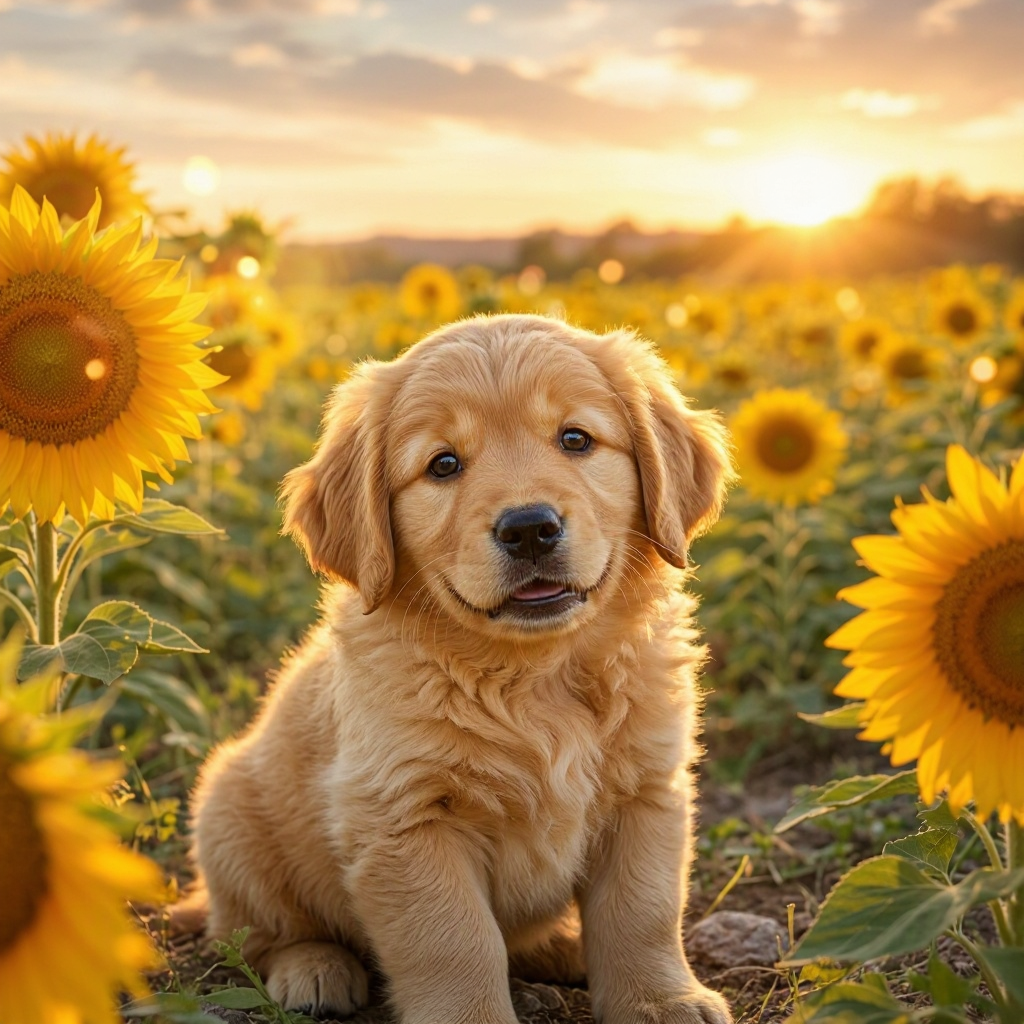 |
spacexai/grok-imagine-image |
$0.02 | 7.8s | 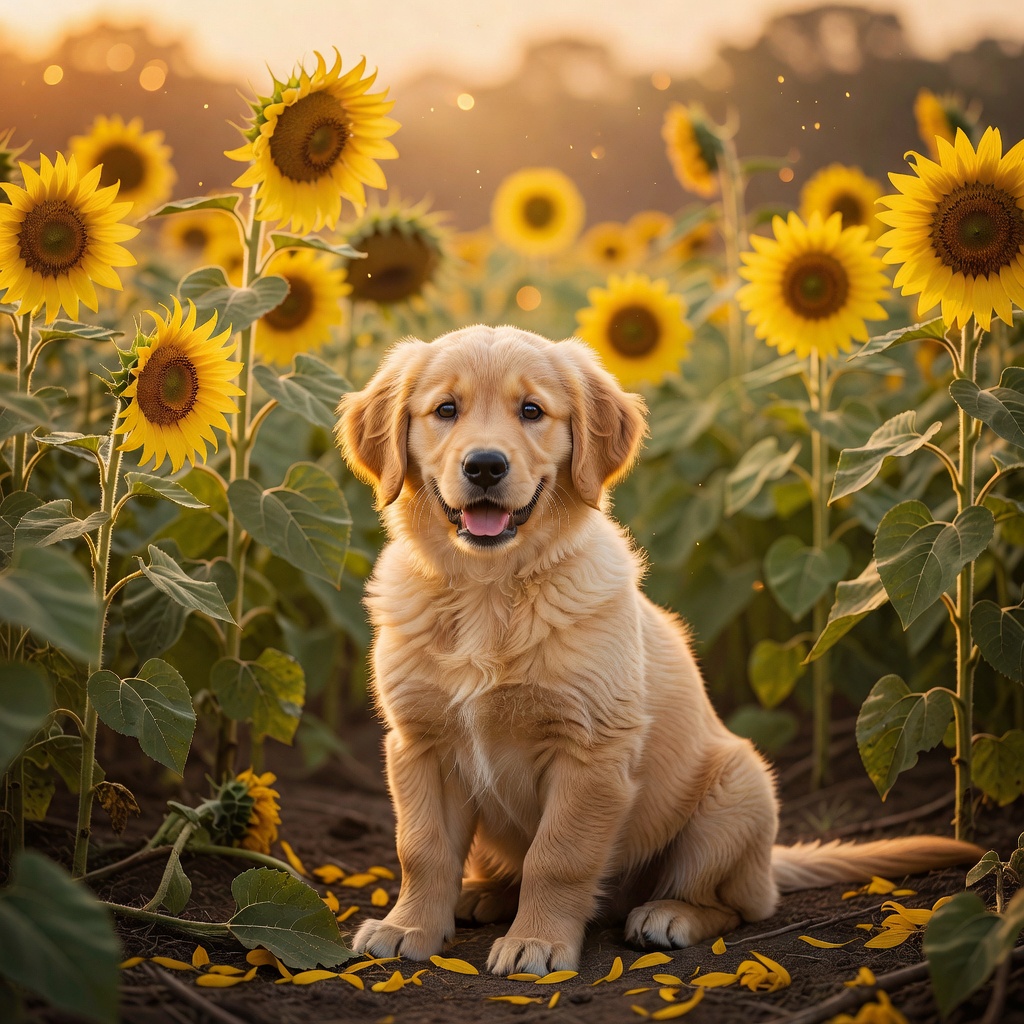 |
spacexai/grok-imagine-image-2.0 |
$0.04 | 16.6s | 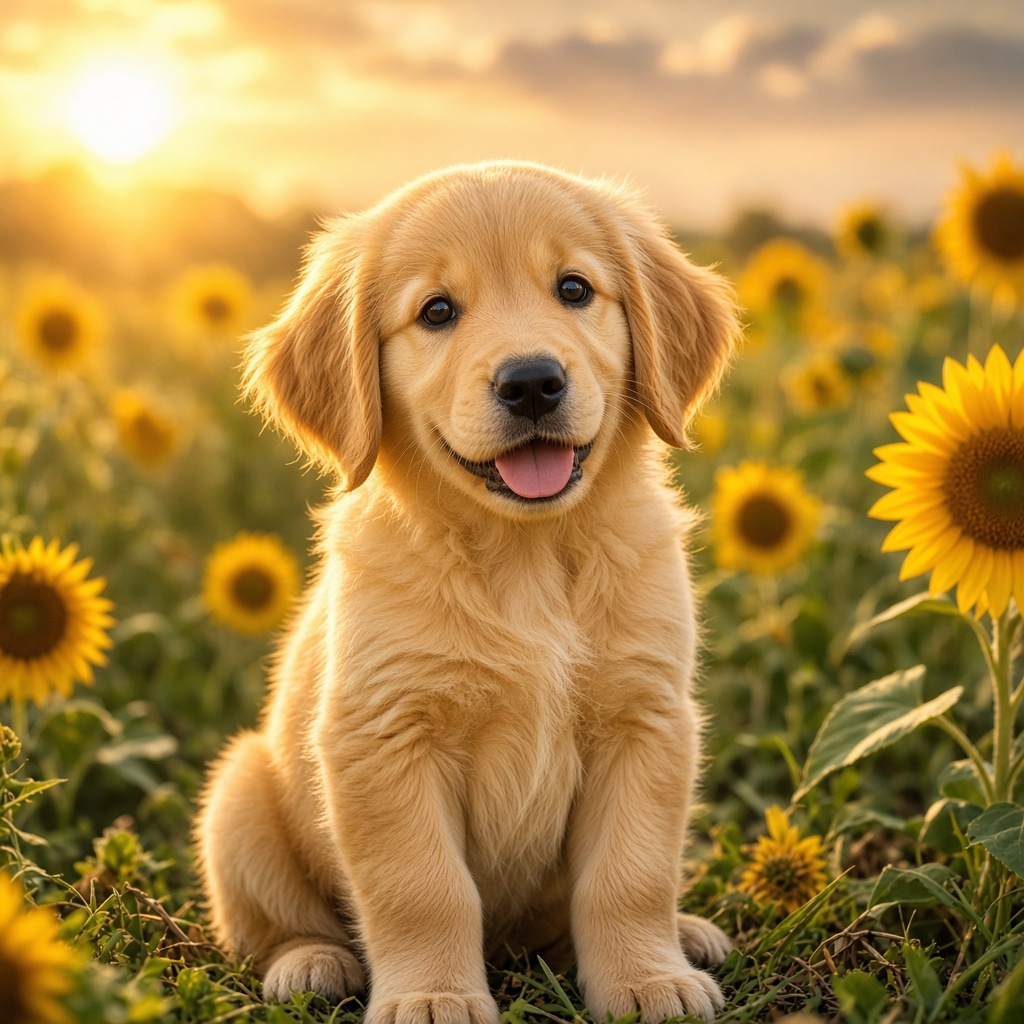 |
bytedance/seedream-4.0 |
$0.03 | 11.1s |  (2048x2048) |
bytedance/seedream-4.5 |
$0.04 | 11.1s |  (2048x2048) |
bytedance/seedream-5.0-lite |
$0.035 | 27.5s |  (2048x2048) |
bytedance/seedream-5.0-pro |
$0.035 | 44.5s | 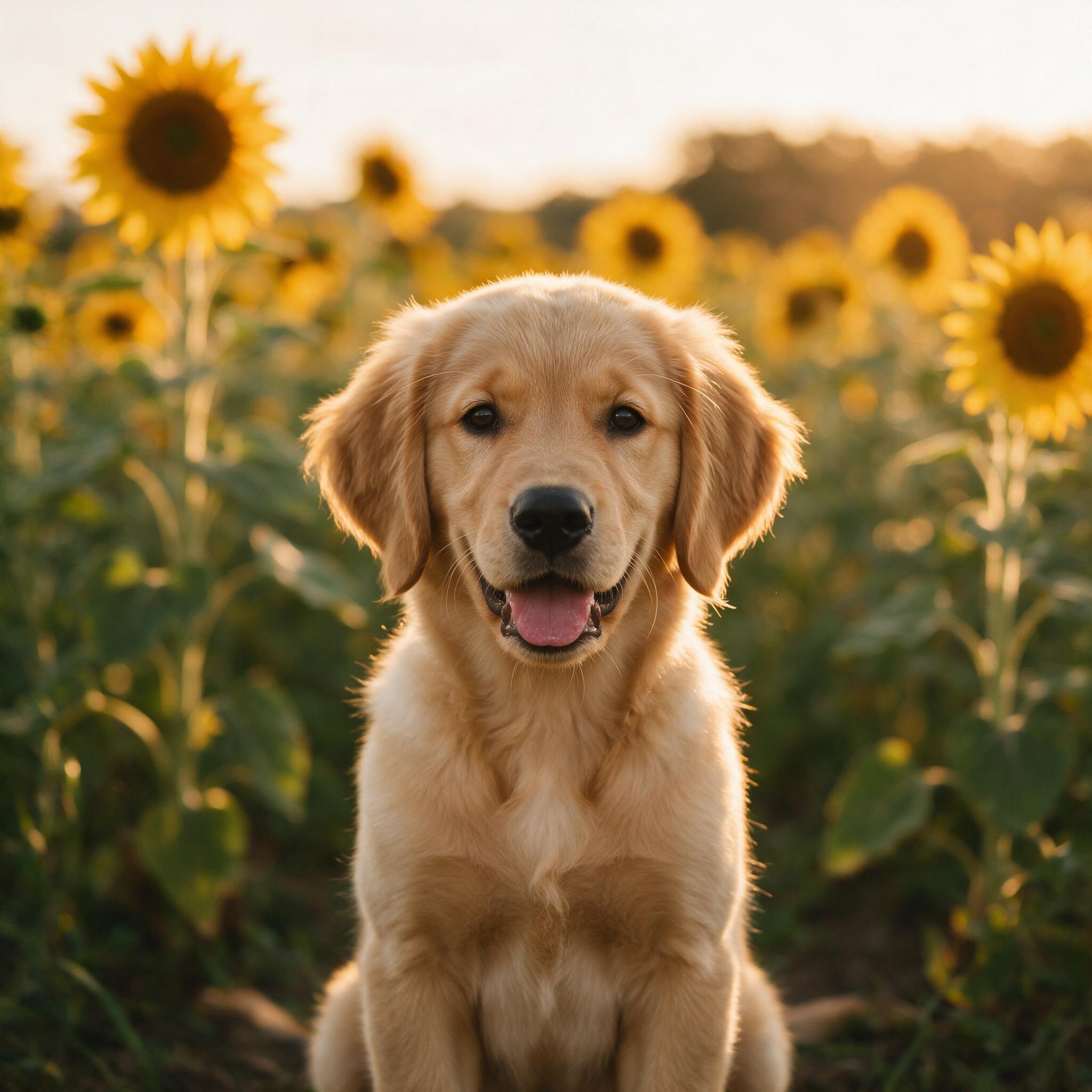 (2048x2048) |
Total spent: $1.47365325
Each model generated one image, so each latency is a single measurement.
The latency here is wall time, measured by the benchmark script.
The cost, however, is returned by the gateway, so it should be accurate.
Cost

Latency

Model Quirks
This benchmark includes provider-specific adaptations, because several models need custom params to work correctly:
bfl/flux-pro-1.1needs explicit pixelwidthandheightto enforce a 1024x1024 output because BFL does not natively support the SDK'saspectRatioparameter- Recraft and OpenAI image models require
sizerather thanaspectRatio - Recraft Pro models (
recraft-v4.1-proandrecraft-v4.1-utility-pro) run at2048x2048for square output meta/muse-image-1.0does not supportaspectRatio, so it uses the benchmark's configured1024x1024size- SpaceXAI Grok image models support
aspectRatiobut notsize - Gemini image responses can contain duplicate files in
result.files, so the benchmark deduplicates them before saving - ByteDance Seedream models require
size(notaspectRatio) at a minimum of 3.69 MP, so they run at2048x2048, and takewatermark: falseto drop the "AI generated" badge they otherwise burn into the image
Winners
If you only optimize for cost, the three cheapest models in this benchmark are:
openai/gpt-image-2at $0.00615recraft/recraft-v4.1-flashat $0.007bfl/flux-3-image-kleinat $0.009
If you optimize for latency, the three fastest models are:
bfl/flux-pro-1.1at 3.8sbfl/flux-2-klein-4bat 4.8sbfl/flux-2-klein-9bat 5.3s
I personally think it all depends on your task and prompt. For my particular mass-scale case, I'm optimizing for both cost and speed, so I'd choose among the winners.
I've also run a similar benchmark for 18 text-to-video models through the same gateway.
DIY
If you want to run the benchmark yourself, add more models, or adjust the prompt - the script is easy to configure and run: kometolabs/ai-image-generation-cost-analysis
Support My Work
Preparing such research sometimes takes 2-5 full benchmark runs, which adds up. If it saved you time, consider sponsoring me on GitHub or Buy Me a Coffee.